The Room Where it Happens!
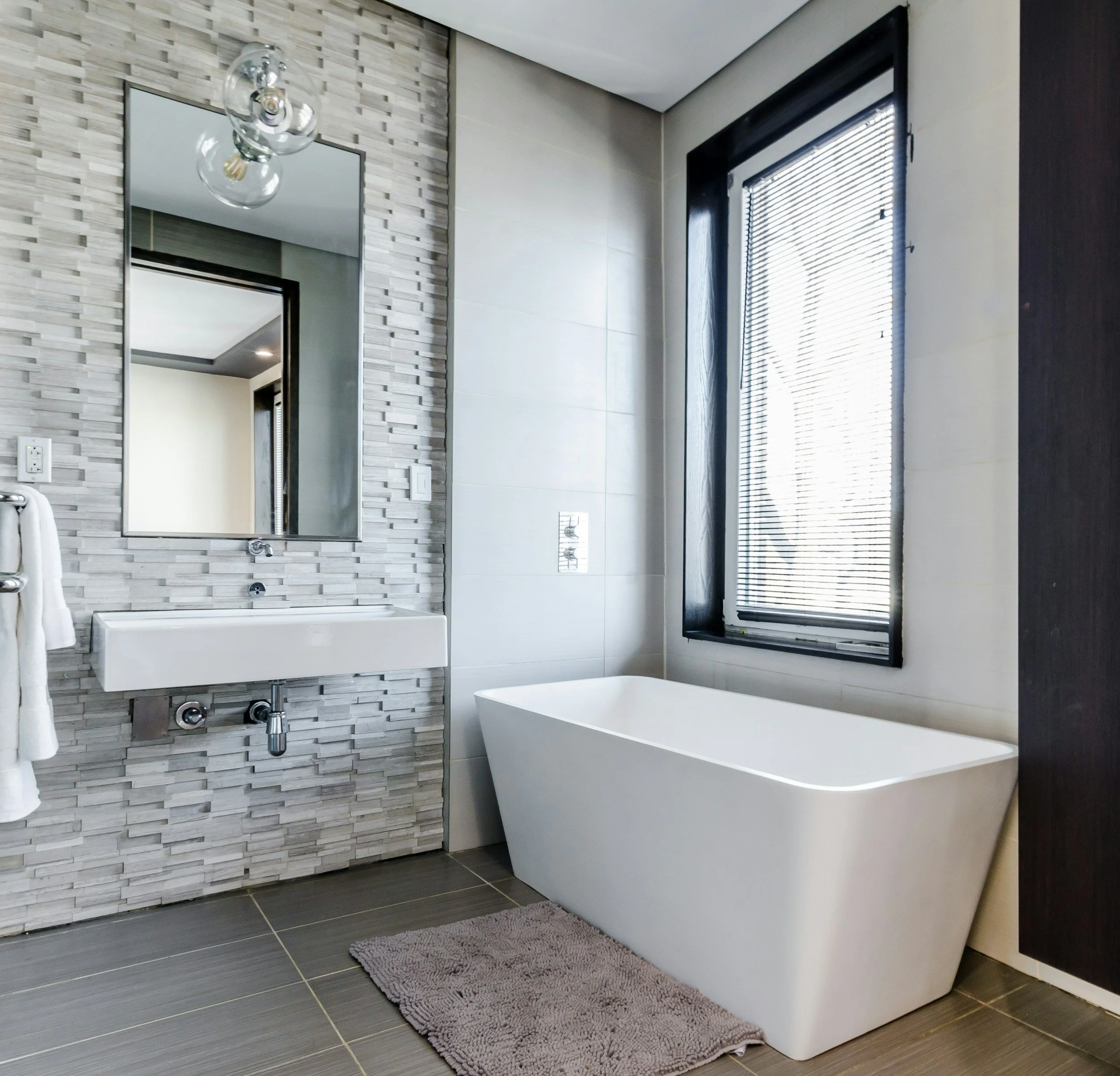
The question sometimes comes up in my teaching: If you’re trying to become a better player, should you practice in a resonant space, or should you practice in a dead space?
In a resonant space, your sound will reverberate and bloom. In an acoustically dead space, your sound will evaporate. It’s undeniable that practicing in them sounds –and feels– very different.
But is one or the other better for you? If you want to improve your playing, should you practice in a space that lets your sound sing? Or a space that strips it down?
The answer, of course, is yes.
Yes, you should practice in a resonant space. Yes, you should practice in a dead space. Both conditions have amazing things to teach you, and for maximal improvement, you should be seeking out both!
What are the advantages of a resonant space?
Well, first of all, you sound fantastic! I still remember practicing in the bathroom as a teenager because I loved the way it made me sound. And this can be a really good thing: If you like the way you sound, you’re more likely to spend time playing, and frequency of practice is an immensely important determinant of the rate at which you progress.
Another thing a resonant space can do is help guide you toward a lower-effort, less tense style of playing. It is extraordinarily easy to overfunction as a recorder player, pushing air through the instrument, tonguing hard, etc. This can result in harsh, effortful playing. But in resonant spaces, you have a sense that the room will carry your sound for you, and this makes you much less likely to push. This sense of offloading the work can facilitate your progress toward a less strident, more beautiful mode of playing.
What are the advantages of a dead space?
Many professional musicians have stories of teachers who made them practice in acoustically dead spaces, and there is a reason for this. A resonant room can cover up a whole host of sins: Sloppy tonguing, uncoordinated fingers, and iffy timing can all disappear under a shellack of nice sound. If you only ever practice in resonant spaces, there is a whole lot of information you’re missing out on receiving about how you play.
Furthermore, it’s important that wind players in general, and recorder players specifically, learn how to increase the resonance of their sound without relying on help from the room. We can change a lot, internally, about how resonant our sound is, and it’s extremely difficult to figure out how to make these adjustments if the resonance of the room swamps any smaller shifts we make. We need to be able to hear clearly to improve our own resonance.
What are the advantages of practicing in different spaces?
Here’s where the magic happens! First off, you get all of the great stuff I delineated above, in both categories.
And you also get additional benefits like increasing your flexibility as a performer (you never know what your venue is going to sound like) and harnessing the positive impact of variable practice (your space is a variable!) on your ability to perform.
In conclusion: Yes. Yes, you should! Happy practicing!
Support the blog: If you find this blog useful, consider making a donation!